Boxing Training Chronic Pain Hampstead Heath
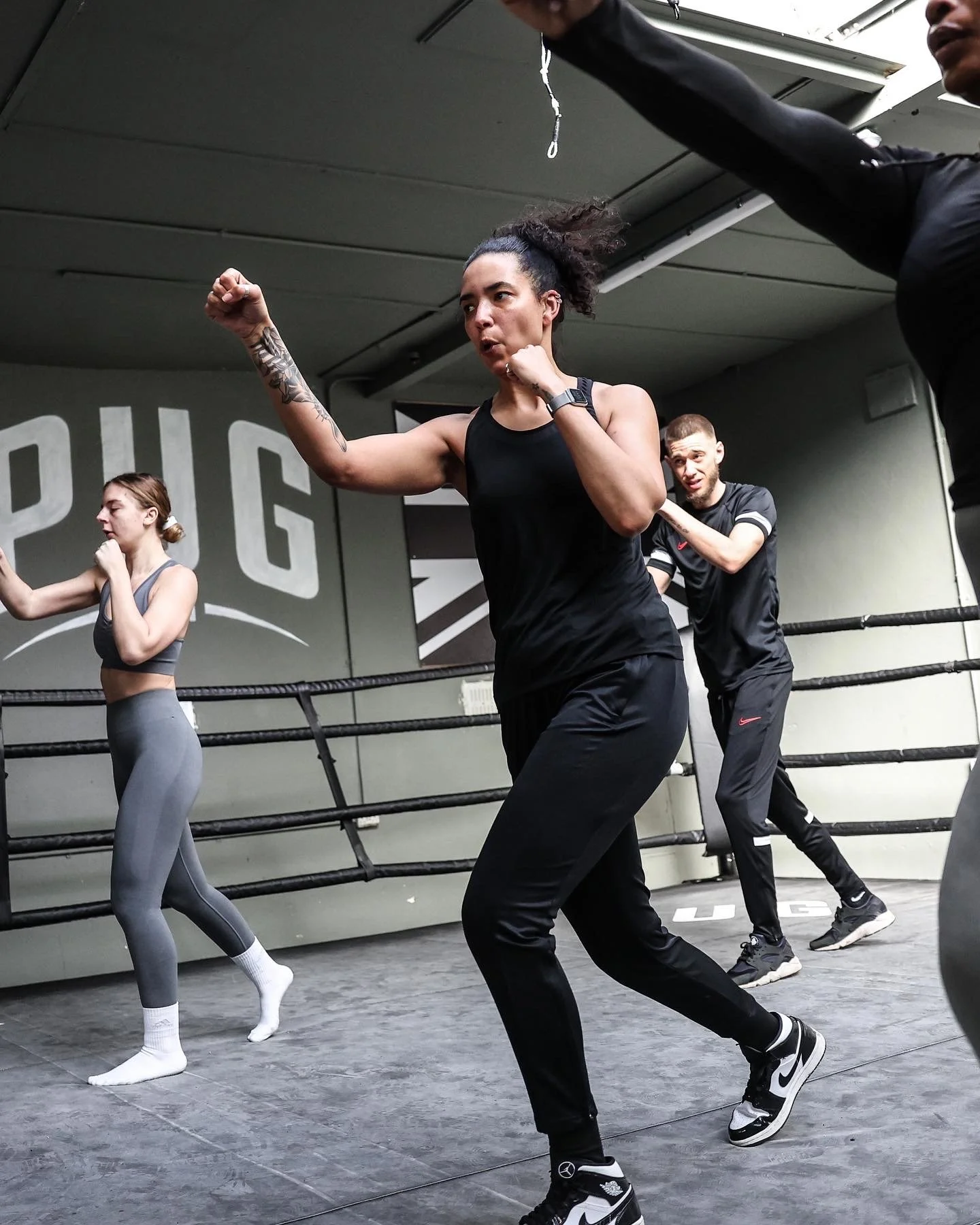
Can You Do Boxing With Chronic Pain? Adapting Boxing Training With Injuries
For many people, boxing is often associated with elite athletes, intense workouts and professional fighters. However, boxing training can be adapted to suit a wide range of individuals, including those managing injuries, chronic pain or long term physical conditions. For some, training is not about pushing the body to its limits. It becomes about finding a sustainable way to stay active, build strength and maintain overall health. Living with chronic pain can completely change the way someone approaches exercise. Instead of chasing performance, the focus shifts towards controlled movement, consistency and long term wellbeing. At Zero Tolerance Fight Factory, boxing is approached with the understanding that every individual is different. Training is adapted to suit each person, allowing them to continue progressing in a safe and structured way.
From Performance to Sustainable Training
Many people who begin boxing come from active or athletic backgrounds where training has always been a key part of their lifestyle. When injuries, surgeries or chronic conditions develop, it can be difficult to adjust both physically and mentally. Movement may no longer feel the same, and certain exercises may become uncomfortable or even impossible. Common challenges can include spinal issues, nerve compression, chronic back pain and joint replacements. For those facing these challenges, training often shifts away from performance and intensity. Instead, the focus becomes maintaining mobility, improving stability and building controlled strength. Boxing can provide a structured way to continue training without relying on high impact or unpredictable movement. With the right approach, it allows individuals to stay active while working within their limitations.
Living With Chronic Pain and Nerve Symptoms
Chronic pain can affect everyday movement and overall quality of life. Conditions such as sciatica or nerve compression may cause ongoing discomfort, numbness or tingling, particularly in the lower back and legs. In some cases, even simple activities like walking or standing for extended periods can become challenging. These situations require a more thoughtful approach to training. Instead of high intensity sessions, the focus shifts towards controlled and intentional movement. Training may include technical drills, posture work, gradual conditioning and mobility focused exercises. The goal is to keep the body moving without aggravating symptoms. For some individuals, more serious interventions such as surgery may be discussed. Experiences like this can significantly change how someone views training. Exercise becomes less about pushing limits and more about maintaining function and protecting long term health.
Can You Do Boxing With Sciatica or Back Pain
A common question is whether conditions like sciatica or chronic back pain mean that exercise should be avoided altogether. In many cases, the answer is no, but the approach must change. Boxing training can be adapted to reduce impact while still providing an effective workout. This may include shadowboxing, technical pad work, controlled conditioning exercises and light movement drills. These methods help improve coordination, cardiovascular fitness, strength and overall movement control without placing excessive strain on the body. The key is understanding how to train in a way that respects physical limitations. Progress is still possible, but it comes through consistency and control rather than intensity. Mobility training also plays an important role. Improving flexibility and joint movement can support better technique and reduce the risk of aggravating existing issues.
Training After a Hip Replacement
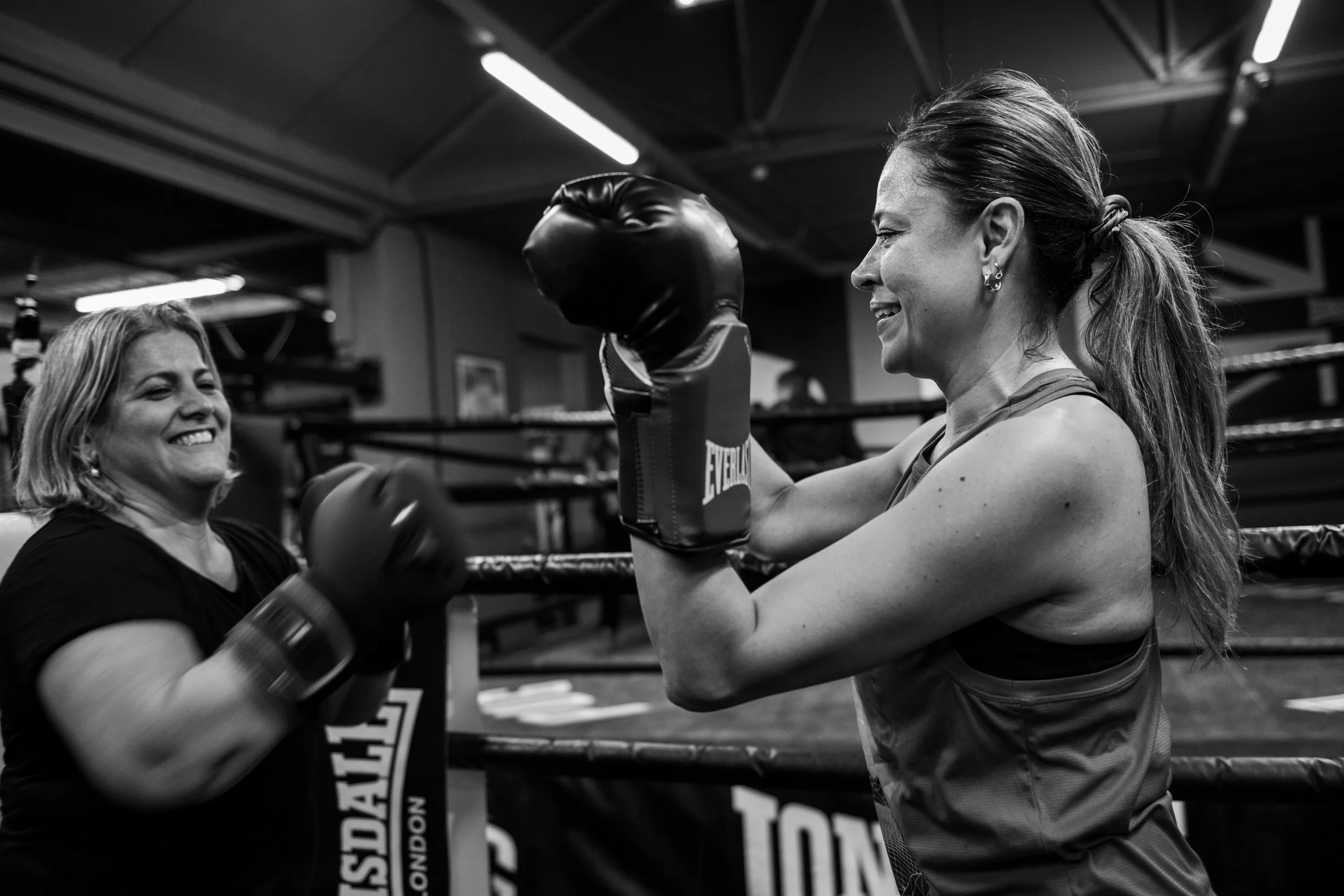
Joint replacement surgery can significantly improve quality of life, but it also requires a different approach to physical activity. Returning to training after a hip replacement involves careful progression and an awareness of movement patterns. Exercises that involve sudden impact or excessive strain may need to be avoided. Instead, the focus shifts towards controlled strength, stability and mobility. Boxing training can be adapted by prioritising technical shadowboxing, controlled pad work and light conditioning. Sessions are often structured in shorter rounds with adequate rest. Mobility based warm ups and recovery work also become essential. These adjustments allow individuals to continue training while protecting their joints and supporting long term recovery.
The Importance of Listening to Your Body
One of the most important aspects of training with injuries or chronic conditions is learning to listen to your body. Some days you may feel capable of doing more. Other days require reduced intensity and a greater focus on recovery. Understanding this balance is key to long term progress. Shorter and more structured sessions are often more effective than long high intensity workouts. Taking time between rounds, adjusting effort levels and prioritising mobility work can all help maintain consistency. Recovery should always be considered part of the training process. Allowing the body time to rest and adapt is essential for sustainable progress. Over time, consistent and controlled training will produce better results than pushing beyond your limits.
The Mental Strength of Staying Active
Training while managing chronic pain or physical limitations is not only a physical challenge but also a mental one. For many individuals, exercise becomes a way to maintain independence, confidence and a sense of normality. Boxing offers structure and focus. Learning technique, improving coordination and building fitness can provide a sense of progress even when physical challenges are present. Mental resilience often develops alongside physical training. Discipline, patience and consistency become essential. Sometimes, the most important achievement is simply continuing to show up and move forward, regardless of the obstacles.
Combining Boxing With Supportive Training
For individuals dealing with injuries or chronic conditions, boxing works best when combined with supportive forms of training. This may include mobility exercises, light strength work, walking and steady state cardiovascular training. Walking regularly can support recovery and improve overall fitness without placing excessive strain on the body. Low intensity cardio such as steady cycling can also help build endurance while remaining joint friendly. Combining these elements with boxing creates a balanced approach to training that supports both performance and long term health. This type of routine allows individuals to stay active consistently without overloading the body.

Boxing Training in North Finchley
At Zero Tolerance Fight Factory, boxing sessions are designed to be structured, supportive and adaptable to each individual. Training takes place at Pug Yard Boxing Gym in North Finchley, as well as outdoor sessions across Hampstead Heath, Primrose Hill and Regent’s Park, giving members the flexibility to train indoors and outdoors. We work with individuals of all experience levels and adapt sessions based on fitness, ability and any physical limitations. Members join us from North Finchley, Primrose Hill, St Johns Wood and across North London. Whether the goal is to improve fitness, learn boxing technique or simply stay active in a structured environment, boxing can be adapted to suit your needs.
Frequently Asked Questions
Can you box with chronic pain
Yes, boxing can be adapted to suit many individuals dealing with chronic pain. The focus should be on controlled movement and appropriate intensity.
Is boxing safe with back pain or sciatica
It can be, provided the training is adjusted to reduce impact and avoid aggravating symptoms. Professional medical advice should always be followed.
Can you train after a hip replacement
Many people return to modified training after surgery. Controlled movement and gradual progression are key.
Is boxing suitable for beginners with limitations
Yes, boxing training can be scaled to suit all levels and abilities.
Can exercise help with chronic pain
In some cases, appropriate movement and training can support mobility and overall wellbeing when approached carefully.
Related Articles
Beginner Boxing Workout How to Start Boxing Training and Improve Fitness
Mobility Training for Boxing Why Flexibility and Movement Improve Performance
Walking 45 Minutes a Day A Simple Habit That Improves Recovery and Health
How Often Should You Train Boxing Each Week A Beginner’s Guide